
Myth-Busting: Common Misconceptions About Metal Framing


The Truth About Metal Framing
Metal framing is a construction method that has gained popularity over the years, but it remains shrouded in misconceptions. It's time to set the record straight and explore the facts behind this versatile building material. In this post, we'll debunk some common myths about metal framing and highlight its true benefits.

Myth 1: Metal Framing Is Too Expensive
One of the most pervasive myths about metal framing is that it's prohibitively expensive. While the initial cost of metal materials may be higher than wood, the overall expense is often balanced out by several factors:
- Durability and longevity, reducing replacement costs.
- Lower maintenance needs.
- Resistance to pests and fire.
When considering the long-term benefits, metal framing can be a cost-effective choice.
Myth 2: Metal Framing Is Not Environmentally Friendly
Contrary to popular belief, metal framing can be a highly sustainable option. Steel, the most common material used in metal framing, is 100% recyclable. This means that metal framing can be reused and repurposed, minimizing waste and conserving natural resources.
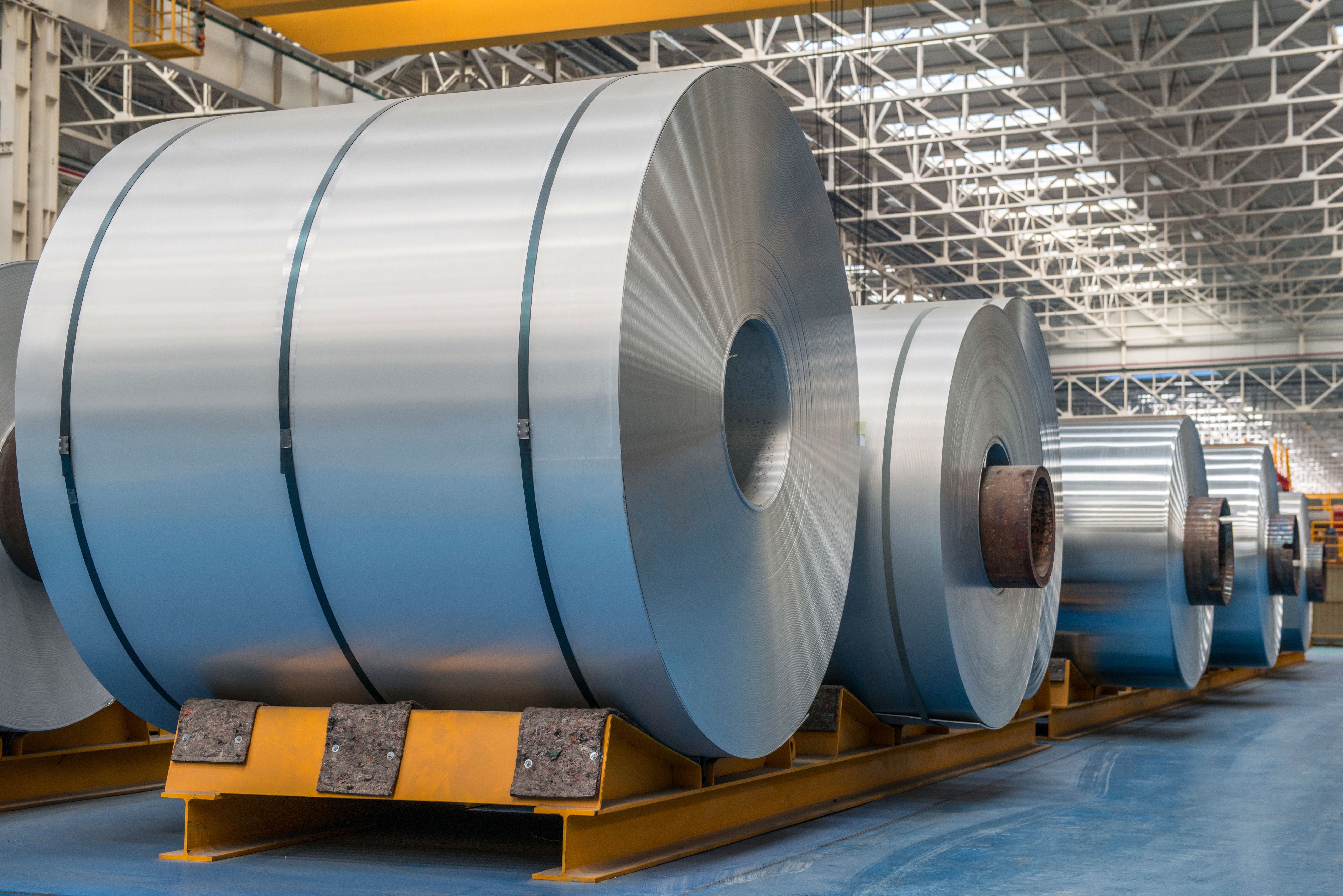
Additionally, steel production has become more energy-efficient over the years, further reducing its environmental impact. Choosing metal framing can contribute to greener building practices.
Myth 3: Metal Framing Lacks Design Flexibility
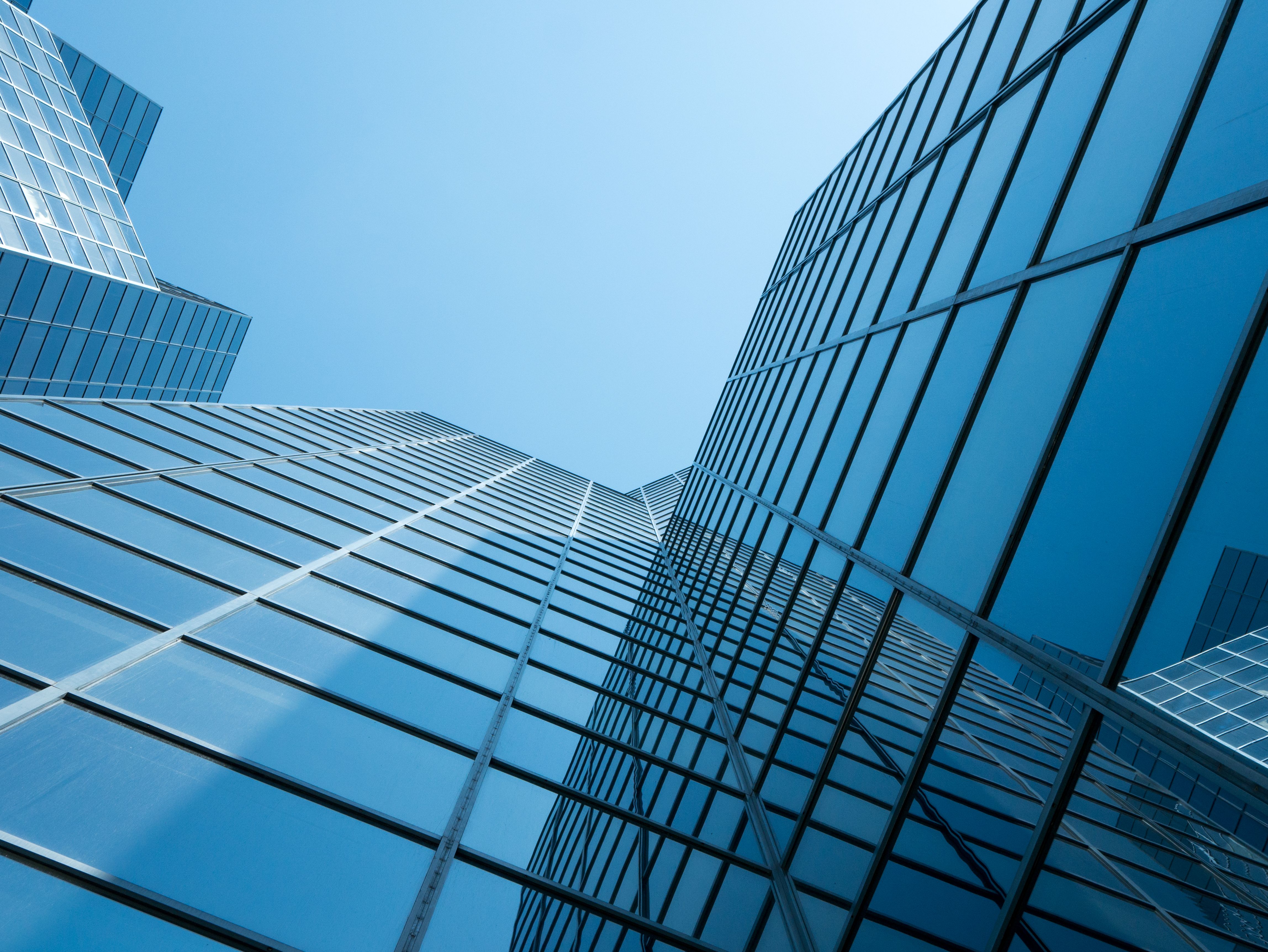
Another misconception is that metal framing limits architectural creativity. In reality, metal framing offers a high level of design flexibility. It can support a wide range of architectural styles and complex designs.
Metal framing is also highly adaptable, allowing for easy modifications and expansions. It's an excellent choice for both residential and commercial projects seeking innovative design solutions.
Myth 4: Metal Framing Is Only Suitable for Commercial Buildings
While metal framing is commonly used in commercial construction, it is also ideal for residential projects. Its strength and durability make it suitable for homes in areas prone to severe weather conditions, such as hurricanes and earthquakes.
Homeowners can enjoy the benefits of reduced maintenance and increased safety, making metal framing a viable option for various types of buildings.
Myth 5: Metal Framing Is Difficult to Work With
Some believe that metal framing is challenging to handle and requires specialized skills. However, modern advancements have made metal framing more accessible. Many contractors have adopted techniques that simplify the installation process.
- Pre-fabricated components speed up construction.
- Lightweight materials make handling easier.
- Clear guidelines and resources are available for builders.
These innovations have made metal framing an attractive option for builders and DIY enthusiasts alike.
By debunking these myths, we hope to shed light on the true advantages of metal framing. Whether you're considering it for a commercial or residential project, understanding its benefits and debunking the myths can lead to more informed decisions.