Expert Tips for Drywall Installation in Your Home


Preparing for Drywall Installation
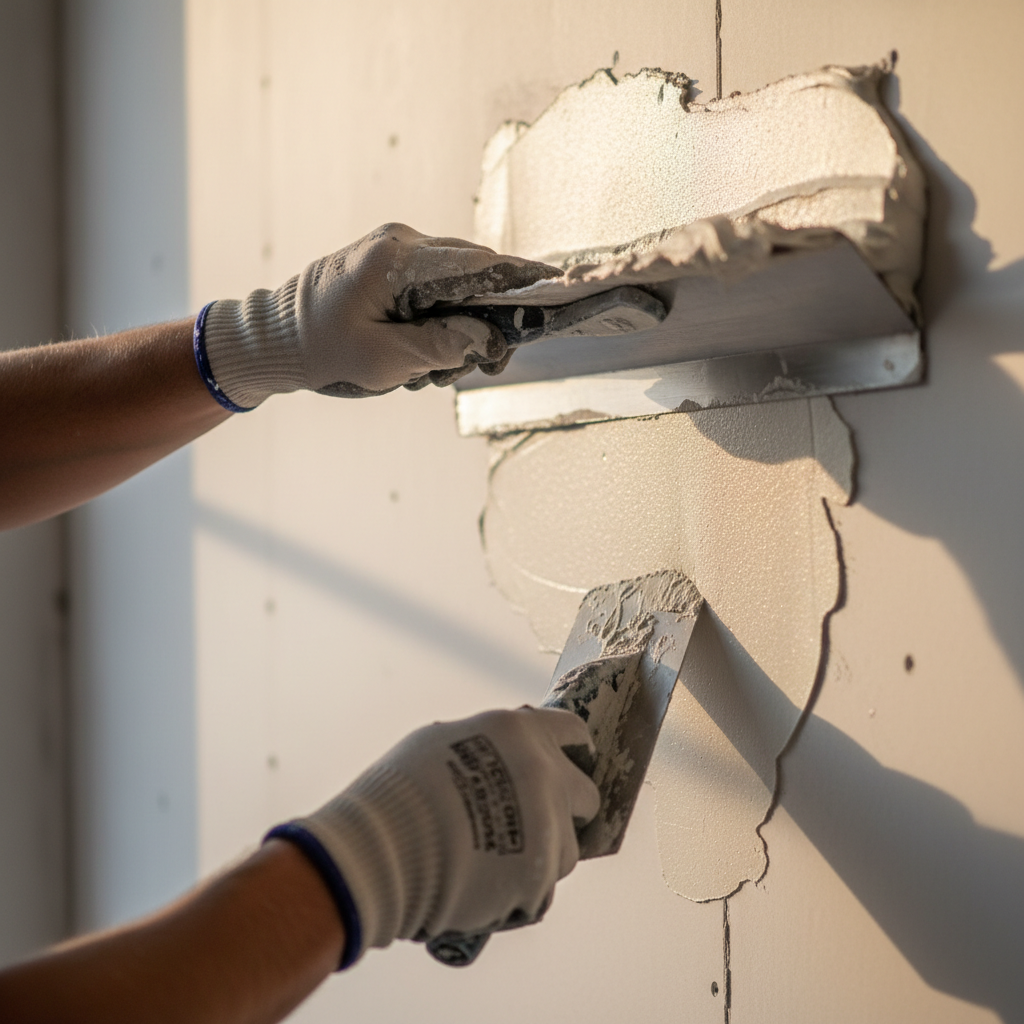
Installing drywall in your home can be a rewarding DIY project, but preparation is key to achieving a professional finish. Start by gathering all necessary tools and materials. You'll need drywall sheets, joint compound, drywall screws, a utility knife, and a tape measure. It's also important to ensure your workspace is clean and free of any obstructions.
Before you begin, take precise measurements of the area where you'll be installing the drywall. This will help you cut the sheets to the correct size and avoid unnecessary waste. If you're working on a large room, consider working with a partner to handle the sheets more easily.
Cutting and Hanging Drywall
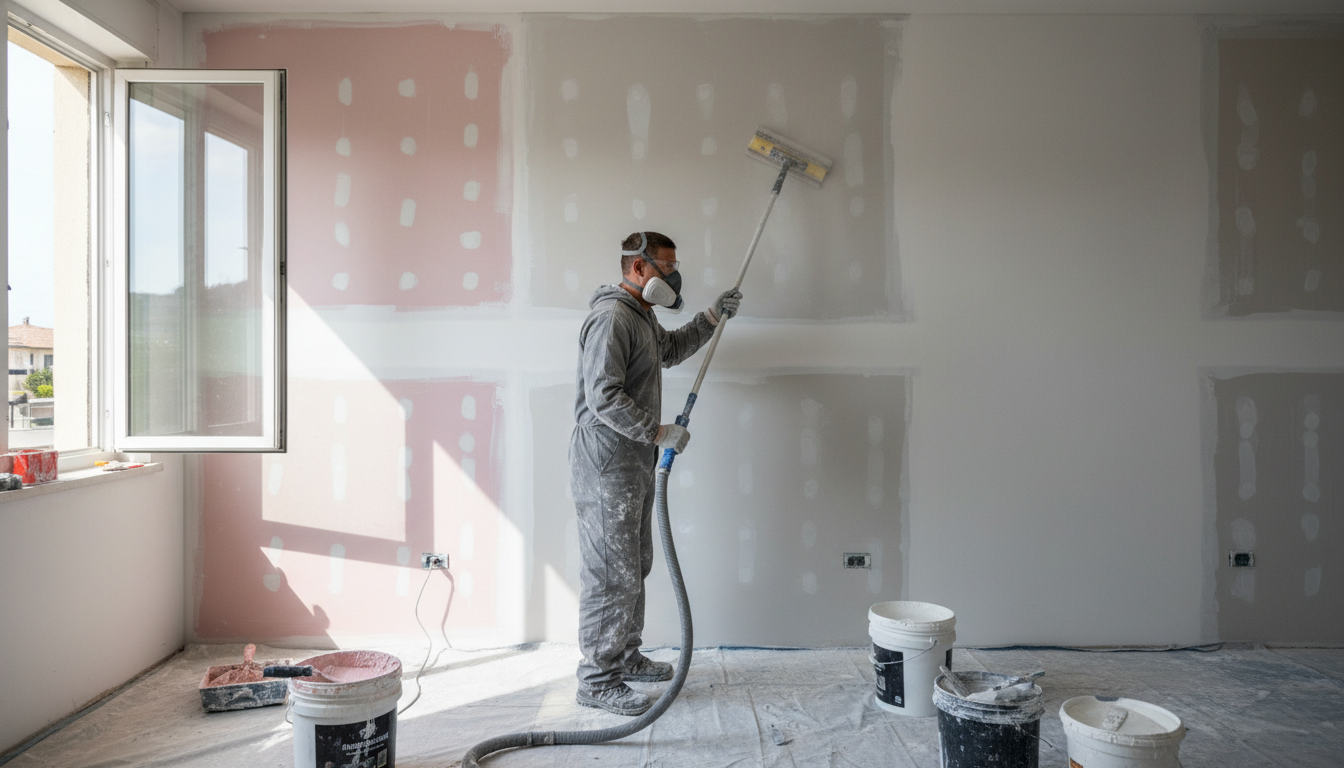
Once your materials are ready, it's time to cut and hang the drywall. Use your measurements to score the drywall sheets with a utility knife. A straightedge will help you achieve clean cuts. When hanging the drywall, start in a corner and work your way across the wall, securing sheets with drywall screws spaced about 12 inches apart.
Ensure the screws are slightly recessed into the drywall without breaking the paper surface. This will make the finishing process smoother. It's crucial to leave a small gap between the sheets to allow for expansion and contraction.
Taping and Mudding the Joints
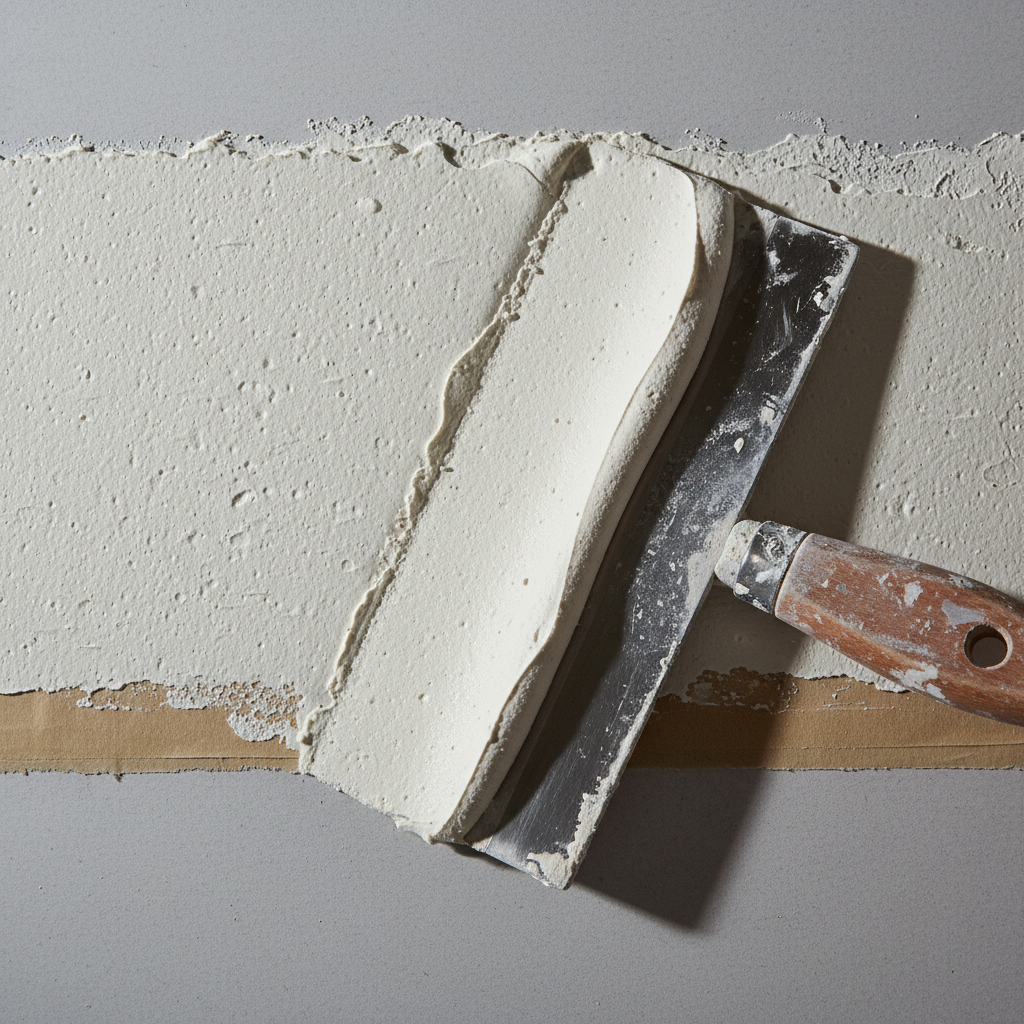
With the drywall in place, the next step is to tape and mud the joints. Use paper or mesh tape to cover the seams between the sheets. Apply a thin layer of joint compound over the tape with a taping knife, ensuring it's smooth and even. Let it dry completely before proceeding.
Once the first coat is dry, apply a second coat of joint compound, feathering the edges to create a seamless transition between the drywall and the compound. Sand the area lightly to remove any imperfections before applying a final coat.
Finishing Touches
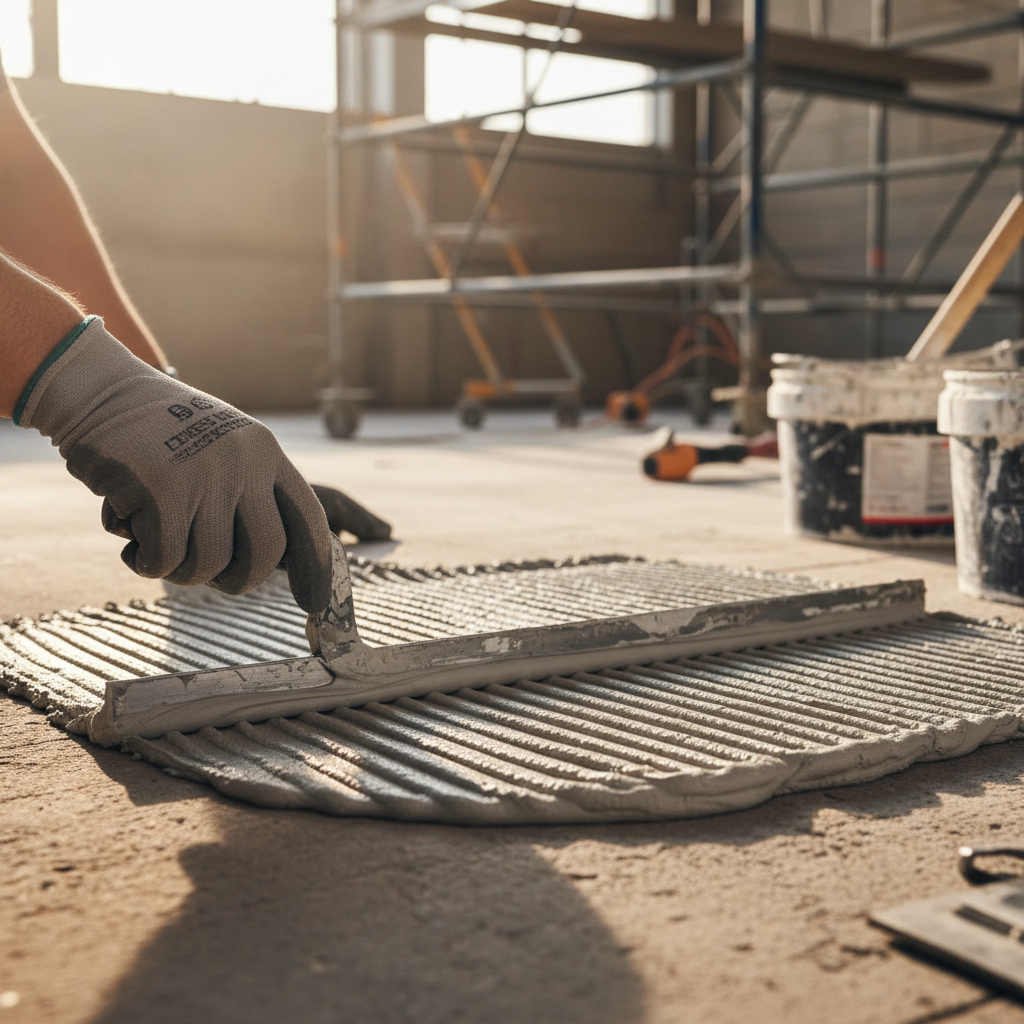
The finishing touches are what will make your drywall installation look professional. After the final coat of joint compound is dry, sand the entire surface to achieve a smooth finish. Be sure to wear a mask to protect yourself from dust.
Once sanding is complete, apply a primer to the drywall to prepare it for painting. This step is essential for even paint coverage and long-lasting results. Choose a quality primer to ensure that your paint adheres well to the surface.
Common Mistakes to Avoid
Even with careful preparation, mistakes can happen. One common issue is over-sanding, which can damage the drywall surface. Always sand gently and check your progress frequently. Another mistake is using too much joint compound, which can lead to uneven surfaces and longer drying times.
Finally, ensure that you don't rush the drying process. Each coat of joint compound needs adequate time to dry completely before applying the next layer. Patience is key to a successful drywall installation.